Solar During an Outage: The Inverter Is Not the Whole Story
Содержание
Plenty of solar owners learn the hard way that panels on the roof do not automatically mean power in the house when the grid goes down. The missing piece is not always more solar. Often, it is the backup architecture sitting between the grid, inverter, battery, and home loads.
Why grid-tied solar shuts down
Most grid-tied solar systems stop exporting power during an outage to protect utility workers and equipment. That safety behavior is called anti-islanding. It prevents a home system from energizing a line that crews expect to be dead.
That rule applies whether a system uses microinverters or a string inverter. Microinverters convert power panel by panel, while a string inverter converts power for a group of panels in one unit. Neither setup automatically creates a safe household microgrid without the right switching and control equipment.
According to IEEE standards for distributed energy resources, safe interconnection depends on coordinated controls that detect grid conditions and respond correctly. For a homeowner, the practical point is simple: outage performance is designed, not assumed.
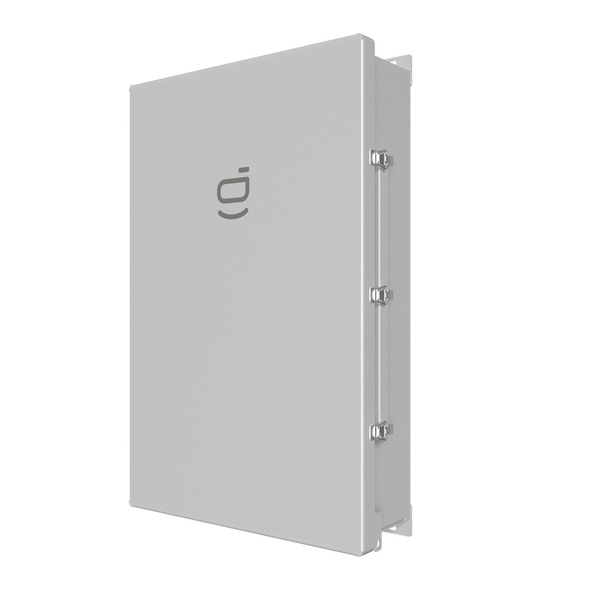
This is why backup hardware such as Sigen LoadHub matters in the discussion. It is not just an accessory. It is part of how the home separates from the grid and decides which loads are served when backup power is available.
Whole-home backup versus selected-load backup
The word «backup» can mean very different things in two solar quotes. One system may support only a refrigerator, Wi-Fi, and a few lights. Another may support larger loads, but only if the battery and inverter are sized for them. A third may allow the homeowner to manage loads dynamically.
Selected-load backup usually powers a smaller panel of critical circuits. Whole-home backup attempts to support a broader set of circuits, though high-demand appliances may still need controls. Load management is the practical middle ground: it helps avoid overloading the backup system when several devices start at once.
Sigen LoadHub is positioned around backup management, including 0 ms switching and five controllable loads. A controllable load is a circuit or appliance that can be prioritized, limited, or shed depending on available backup power. That matters when the difference between a comfortable outage and a tripped system is one water heater starting at the wrong moment.
What to ask before buying
Instead of asking whether microinverters or string inverters «work in an outage,» homeowners should ask more specific questions:
· Which circuits will run during an outage?
· How fast does the system transfer?
· What happens if the battery is low?
· Can large loads be paused automatically?
· Is the system designed for whole-home or partial-home backup?
According to the U.S. Department of Energy, resilience planning depends on both generation and the ability to manage demand during disruptions. In a home, that means the backup design should include batteries, controls, transfer equipment, and realistic load priorities.
The inverter debate still matters. Microinverters can help with panel-level performance, while string and hybrid systems may fit storage designs differently. But the outage experience depends heavily on the gateway and load management layer.
For homeowners comparing solar bids in storm-prone or outage-prone areas, this backup gateway is a useful reference point for understanding what fast transfer and controlled loads can look like in a modern home energy system.
Before assuming rooftop solar will keep the house running, review the backup design with the same care as the panel layout.