Retail Display Solutions That Turn Storefronts Into Active Media
Retail storefronts have always carried a heavy commercial responsibility. They introduce the brand, signal the quality of the products inside, and compete for attention in streets, malls, airports, and mixed-use developments. What has changed is the speed of the retail environment. Campaigns now change by season, collection, influencer moment, local event, or even time of day. A printed window poster can still support a message, but it cannot keep pace with the way modern shoppers discover, compare, and respond to brands.
This is why many retailers are moving from static merchandising to digital storefront communication. A well-planned LED display can make a window or entrance feel current every day. It can show a product close-up in the morning, a launch video during peak foot traffic, and a promotion near closing time. That flexibility gives store teams more control over the first impression and gives marketing teams a stronger bridge between online campaigns and physical retail spaces.
The best retail display solutions begin with the customer path. A display facing a busy sidewalk needs different brightness, contrast, and content pacing from a screen inside a luxury boutique. A shopping mall screen may be viewed from multiple angles, while a flagship store feature wall may be designed for photography, social sharing, and immersive product storytelling. The display should be selected around the viewing condition instead of treated as a generic screen.
Retailers should also consider the type of attention they want to create. A storefront display usually needs fast recognition. Shoppers may only glance at it for a few seconds, so the creative should use clear product visuals, simple copy, and strong color contrast. An in-store display can move more slowly because customers are already inside the space. It can support brand films, product education, styling ideas, or category navigation.
Another important factor is how easily the retailer can update content. A display that looks impressive but requires a complicated workflow will eventually become underused. Strong retail display planning connects the hardware, media player, content dimensions, file formats, and approval process before installation. That way, the marketing team can keep the screen fresh without depending on emergency technical support for every campaign change.
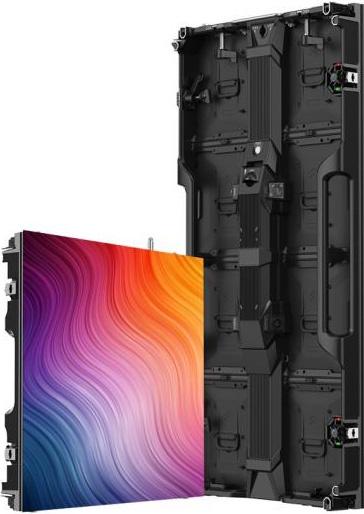
Installation and maintenance should be planned just as carefully. Retail spaces often have limited rear access, strict opening schedules, and tight renovation windows. In many stores, front service access is essential because the display sits against a wall, inside a window fixture, or above a customer-facing area. The cabinet structure, cable path, power plan, mounting method, and ventilation strategy all affect long-term reliability.
The strongest retail LED projects also respect the interior design. The screen should not feel like an object that was added after the store was finished. It should align with materials, lighting, fixture height, and sightlines. A premium fashion store may need a seamless display that blends into a minimalist wall. A sportswear store may prefer a bold motion surface with high energy. A hospitality lobby may need a calmer visual rhythm that supports atmosphere rather than constant promotion.
For retailers, the strategic value is not only brighter advertising. Digital displays can reduce print waste, shorten campaign lead times, improve local responsiveness, and make the physical store feel more connected to the rest of the brand experience. A single display can support product launches, seasonal storytelling, event announcements, customer guidance, and brand identity. That makes it a long-term media asset rather than a short-term decoration.
Measurement should be part of the planning process as well. Retailers can compare foot traffic before and after a display upgrade, track campaign redemption, monitor which creative formats receive the strongest response, and ask store associates what customers notice. These insights help teams decide whether a storefront needs stronger motion, clearer pricing, more product close-ups, or a simpler call to action. Over time, the display becomes a testable retail media channel rather than a fixed decoration.
Retail teams should also plan content refresh frequency. A screen that repeats the same loop for months will eventually lose impact, even if the hardware is excellent. A practical content calendar can include seasonal themes, weekly promotions, local events, brand films, and evergreen product education. This keeps the store visually active without forcing the marketing team to create entirely new assets every day.
A useful rule is to treat every display as part of a measurable store journey. The screen should help a shopper notice, enter, understand, compare, or act.
Before investing, teams should define the business purpose of each screen. Is it designed to attract walk-in traffic, support conversion, educate customers, improve wayfinding, or create a flagship visual moment? The answer will shape size, pixel pitch, brightness, content style, and budget. Brands planning a new store, a window refresh, or a wider retail media program can review Esdlumen LED display products to match the display strategy with real store conditions.